
PARASITE PREVENTION is key to a healthy and happy pet
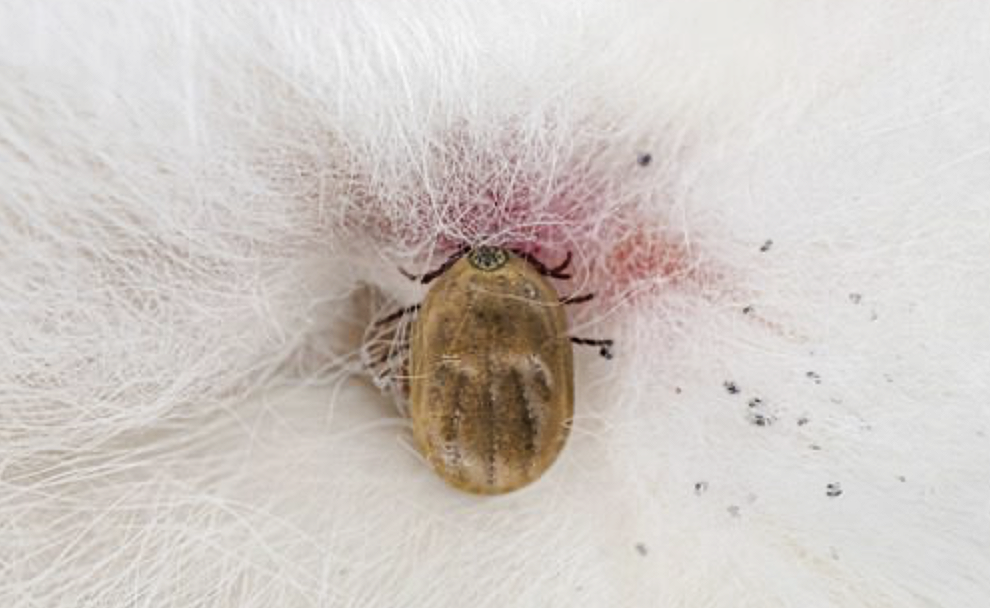
Recognizing an embedded tick is crucial for your dog’s health. Ticks can transmit diseases, so early detection and removal are vital.
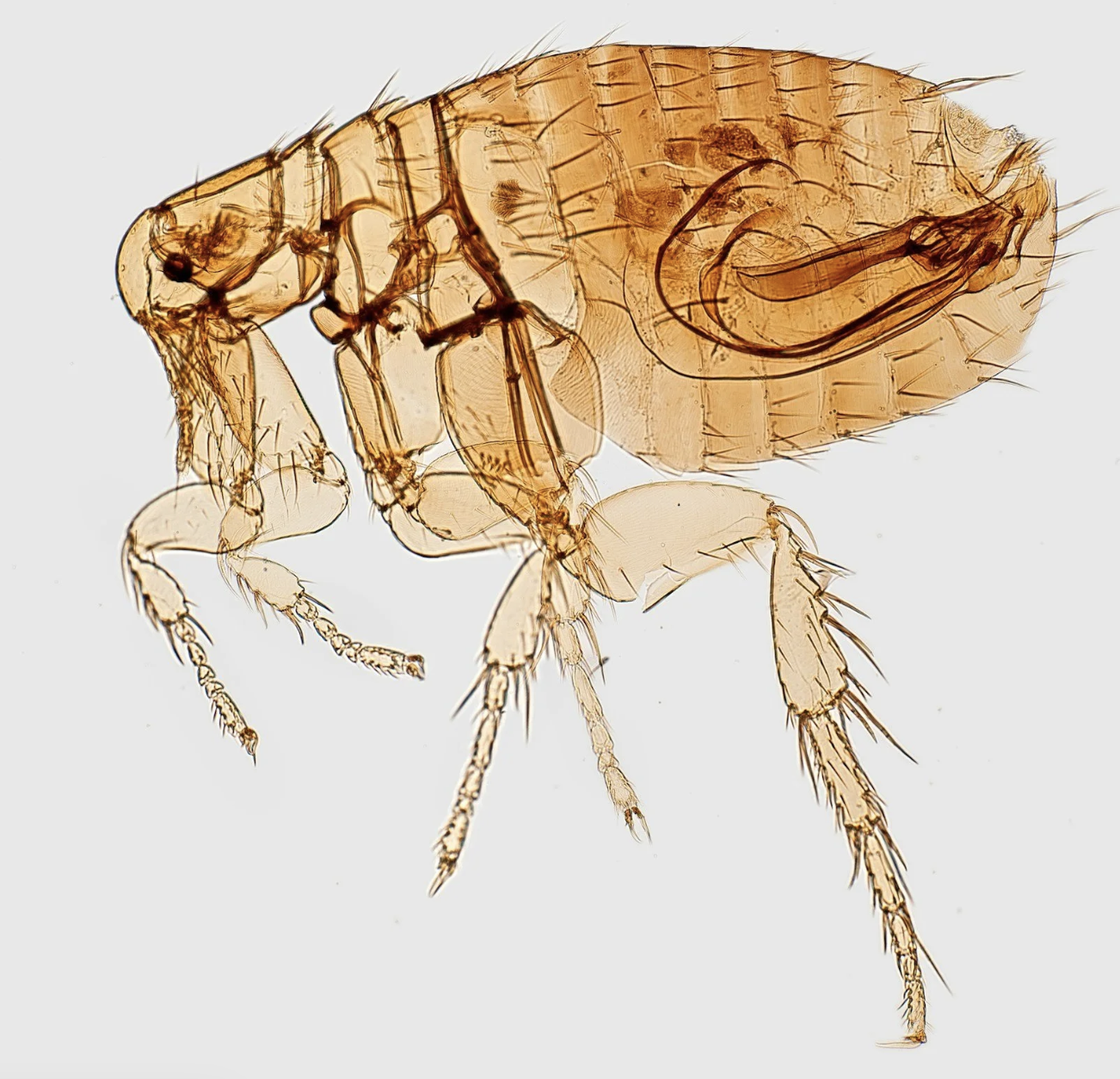
Fleas are more than just a nuisance for your dog. They can cause chronic skin disease and even transmit infectious or parasitic diseases. Some of these can be transmitted to humans too. If left untreated, they can quick spread throughout your home.

Heartworms in dogs and cats are a serious health issue which can be fatal. Heartworm prevention involves consistent, year-round use of prescription medications (oral chews, topical liquids, or 6/12-month injections) that kill heartworm larvae transmitted by mosquitoes, preventing them from maturing.

Hookworms, parasites equipped with hook-like mouths, burrow into the intestines of animals, particularly cats and dogs. These parasites thrive in inadequately sanitized, moist, and warm environments, posing a risk to pets. Once attached to your pet's intestine, they voraciously consume significant quantities of blood. Hookworm infections may result in anemia or inflammation of the intestine.

Whipworms are an intestinal parasite that dogs get by ingesting an egg that passes through the stall of an infected dogs left in the soil. Whip worm eggs are extremely hardy and monthly parasite prevention is critical.
Roundworms prevention involves a combination of vet-prescribed deworming (especially for puppies), strict hygiene- like immediate poop clean up, and flea control. Routine fecal exams are crucial and addressing the source of infection, like rodents or fleas, helps break the cycle, as roundworms are zoonotic (can spread to humans).